
Active vs Passive Fire Protection: What Every Western Cape Property Developer Needs to Know in 2026
- Andec
- Aug 5
- 5 min read
Updated: Aug 13

● What Is Active Fire Protection?
● What Is Passive Fire Protection?
● Why You Need Both
● The Compliance Risk Property Developers Often Miss
● What This Means for Your Project
● Frequently Asked Questions
If you're developing or managing a commercial building in the Western Cape, you've likely heard both terms. But active and passive fire protection are not interchangeable — and South African fire codes require both. Getting this distinction wrong can mean failed inspections, costly rework, or worse, a building that doesn't perform when a fire breaks out.
Here's a plain-language breakdown of what each system does, why you need both, and what this means for your next project.
What Is Active Fire Protection?
Active fire protection systems respond to a fire. They detect it, alert occupants, and work to suppress or contain it. The word "active" refers to the fact that these systems must be triggered — either automatically or manually — to do their job.
Common active fire protection systems include:
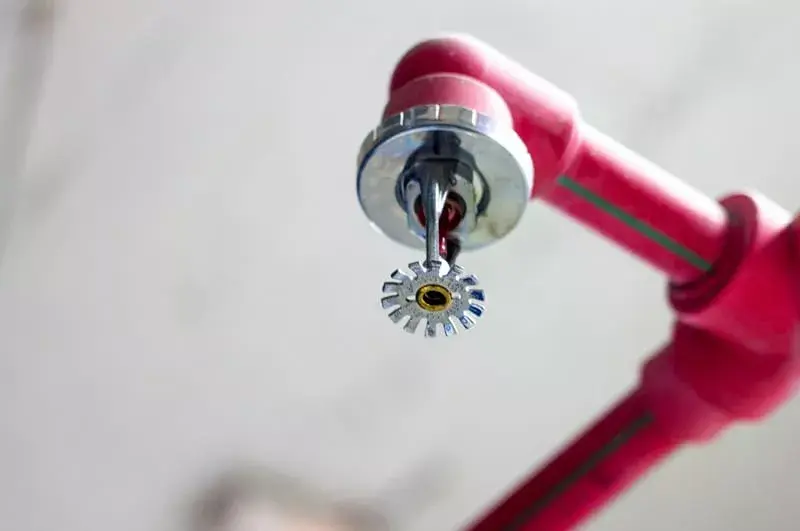
Sprinkler systems — automatically release water when heat is detected above a set threshold
Fire detection and alarm systems — smoke detectors, heat detectors, and alarm panels that alert occupants and emergency services
Fire suppression systems — gaseous or foam-based systems used in server rooms, commercial kitchens, or areas where water would cause damage
Fire hose reels and extinguishers — manual suppression tools for first-response use
Active systems are highly visible. You see the sprinkler heads on the ceiling, the alarm panels on the wall, the detection devices throughout the building. They're also what most people picture when they think about fire protection.
What Is Passive Fire Protection?
Passive fire protection does its job without being triggered. It's built into the structure of the building itself, and its purpose is to slow the spread of fire and smoke — buying time for evacuation and limiting damage.
Passive fire protection measures include:
Fire-resistant walls, floors, and ceilings — structural assemblies rated to contain fire for a defined period (typically 30, 60, or 120 minutes)
Fire doors and frames — rated doors that compartmentalise a building and prevent fire from spreading between zones
Fire sealing and penetration seals — intumescent or ablative materials used to seal gaps around pipes, cables, and ducts that pass through fire-rated walls or floors
Fire dampers — installed in HVAC ductwork to automatically close when a fire is detected, preventing smoke and flame from travelling through the ventilation system.
Passive systems are often invisible once a building is complete. They're embedded in the walls, sealed around service penetrations, and integrated into the ductwork. That's exactly why they're so easy to overlook during construction — and so costly to fix after the fact.
Why You Need Both
Active and passive fire protection work together. Neither is sufficient on its own.
Think of it this way: passive protection contains the fire within a compartment. Active protection detects it and suppresses it. If your sprinkler system activates but your fire walls have unsealed penetrations, smoke and flame can spread before the system gets ahead of the fire. If your passive protection is excellent but you have no detection or suppression, occupants may not be alerted in time.
South African fire codes — including the relevant SANS standards that apply to commercial and industrial buildings — require both layers of protection. Compliance isn't a choice between one or the other. It's both, documented, and installed correctly.
The Compliance Risk Property Developers Often Miss
The most common passive fire protection failure on commercial builds isn't the big structural elements. It's the small ones: unsealed cable penetrations through a fire-rated wall, a fire damper missing from a duct that passes through a compartment boundary, a fire door installed without the correct frame rating.
These gaps don't show up until a compliance inspection — or worse, until there's an incident. Fixing them after walls are closed and finishes are applied is expensive and disruptive.
This is why passive fire protection needs to be scoped and specified at design stage, not retrofitted during snagging. It also needs to be installed by a contractor who understands both the technical requirements and the documentation expected by South African compliance authorities.
What This Means for Your Project
If you're working on a commercial, industrial, or mixed-use development in the Western Cape, your fire protection scope should address:
Active systems — detection, alarm, suppression, and sprinklers specified to SANS standards
Passive systems — compartmentation, fire sealing, dampers, and rated assemblies integrated from the design stage
Documentation — quality assurance records that demonstrate compliance at every stage of installation
Working with a contractor who handles both active and passive fire protection under one scope reduces coordination risk and simplifies sign-off. You're not managing two separate subcontractors with two separate documentation trails.
ANDEC Fire and HVAC Solutions installs and maintains both active and passive fire protection systems for commercial and industrial projects across the Western Cape. The team also handles HVAC, which matters because fire dampers sit at the intersection of both disciplines. You can review the full service offering and quality assurance approach at andecfiresolutions.co.za/our-services.
Need a fire protection assessment for your next project? Get in touch with the ANDEC team at andecfiresolutions.co.za/contact-us.
Frequently Asked Questions
What is the main difference between active and passive fire protection?
Active fire protection systems respond to a fire — sprinklers, alarms, and suppression systems that activate when triggered. Passive fire protection is built into the building structure and works continuously without being triggered, slowing the spread of fire and smoke through compartmentation, fire-rated walls, fire doors, and sealed penetrations.
Do South African commercial buildings require both active and passive fire protection?
Yes. South African fire codes and SANS standards require both active and passive fire protection measures on commercial and industrial buildings. Meeting only one requirement is not sufficient for compliance or for occupancy certification.
What are fire penetration seals and why do they matter?
Fire penetration seals are materials — often intumescent compounds or collars — used to seal gaps where pipes, cables, or ducts pass through fire-rated walls or floors. Without them, a fire-rated wall loses its rating at every service penetration, allowing fire and smoke to spread between compartments.
What is a fire damper and where is it required?
A fire damper is a device installed inside HVAC ductwork that closes automatically when a fire is detected, preventing fire and smoke from travelling through the ventilation system. They're required wherever a duct passes through a fire-rated wall or floor assembly.
When should passive fire protection be specified on a project?
At design stage, before construction begins. Passive fire protection is built into the structure, so retrofitting it after walls are closed is expensive and often disruptive. Specifying it early keeps costs down and avoids compliance problems at sign-off.
Can one contractor handle both active and passive fire protection?
Yes, and it's generally the better approach. A single contractor managing both disciplines reduces coordination risk, simplifies documentation, and ensures the two systems are designed to work together — particularly important where HVAC and fire dampers intersect.
What documentation is required for fire protection compliance in South Africa?
Documentation requirements vary by project type and local authority, but typically include installation records, material certifications, inspection reports, and quality assurance sign-offs aligned to the relevant SANS standards. Your fire protection contractor should provide this documentation as part of the project deliverables.

Comments